

Ghana’s Kente Cloth Gains Global Protection Alongside Champagne and Tequila



Highlights:
- Ghana secures first-ever Geographical Indication status for Kente, joining Champagne and Darjeeling tea as protected products
- Only cloth woven in designated Ghanaian communities using traditional techniques can legally carry the Kente name
- QR code traceability system ensures profits return to artisan communities that created the craft
Ghana’s iconic Kente cloth has achieved official Geographical Indication protection, placing the handwoven textile alongside global treasures like French Champagne, Mexican Tequila, and Indian Darjeeling tea as products fiercely protected by international law.
The landmark designation was announced in October by the Ghanaian government. It marks the country’s first-ever GI status and ensures that only cloth woven in specific communities—Bonwire, Adanwomase, Agotime Kpetoe, and Agbozume—using time-honored techniques can legally bear the Kente name.
A Geographical Indication links a product to its origin, ensuring its uniqueness, quality, and reputation remain tied to place and tradition. For Ghana, this means Kente is officially and exclusively Ghanaian, guaranteeing authenticity for global buyers while creating new economic opportunities for local weavers and communities.
« It was refreshing and nostalgic for me to be a part of this all-important event to witness the end product of what we have supported with our expertise for the past seven years, » said Richardson Commey Fio, Special Assistant to the Minister of Tourism, Culture and Creative Arts.
Ghana’s Kente Ambassador, Amma Prempeh, described the achievement as historic. « This is more than a legal stamp—it is a powerful declaration to the world that Kente is not just a fabric, but a living heritage, woven with the identity, stories, and spirit of the Ghanaian people, » she said.
Economic Power Returns to Artisan Communities
The protection ensures commercial usage abroad acknowledges Kente’s cultural origin and potentially channels royalties to Ghanaian weavers. According to the Tourism Ministry, if successful, Kente could become Africa’s first textile to gain broad international protection under WIPO and WTO cultural property frameworks, positioning Ghana at the forefront of efforts to decolonize design.
Each authentic piece will carry a QR code tracing its origin, allowing buyers from Accra to Atlanta to verify authenticity. Beyond heritage preservation, the system ensures profits return to the artisan communities who’ve carried this craft for generations.
« This is a victory for our weavers, our cultural custodians, and every Ghanaian who wears Kente with pride, » Prempeh said. « It opens doors for economic growth, tourism, intellectual property protection, and global branding, while safeguarding the artistry and integrity of indigenous craftsmanship. »
« This protection gives economic power to the very communities that created Kente, » a Ghanaian trade official said during the Accra ceremony. « It’s not just about heritage, it’s about equity. »
Tourism Minister Andrew Egyapa Mercer described the recognition as testament to Ghana’s commitment to preserving cultural heritage. « This achievement places Ghana at the forefront of global efforts to safeguard and celebrate cultural traditions, » he said.
A Living Symbol of Identity and Communication
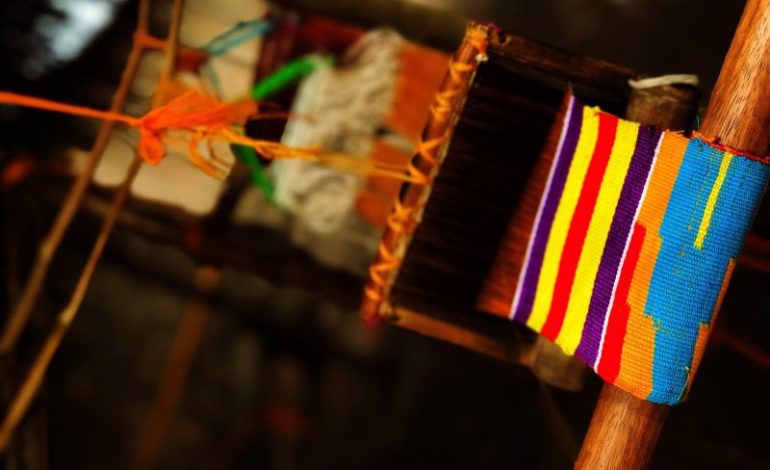
Kente has also been inscribed on UNESCO’s Representative List of Intangible Cultural Heritage of Humanity. Originating from Ghana’s Asante and Ewe communities, the fabric is woven from silk, cotton, or rayon using horizontal looms, with colors and designs reflecting the wearer’s age, social status, and gender.
Beyond its aesthetic beauty, Kente serves as a communication vehicle and means of identity construction, reflecting the social histories of various communities. The bold colors, intricate patterns, and deep symbolic meanings embody the creativity and identity of the Ghanaian people.
A Model for African Textile Protection
Ghana’s success with Kente could spark a continental movement to protect other iconic African textiles. The GI designation establishes a blueprint that countries across Africa might follow to safeguard their cultural fabrics from appropriation and ensure economic benefits flow to local artisans.
Benin’s Kanvô cloth, with its distinctive geometric patterns and deep cultural significance in Vodun traditions, represents one potential candidate for similar protection. Nigeria’s Aso Oke, Mali’s Bogolan mud cloth, and Ethiopia’s traditional woven textiles could also seek GI status, creating a protected network of African textile heritage.
The move comes as Kente has gained significant international visibility in recent years. In 2020, Democratic congressional leaders, including Nancy Pelosi and Chuck Schumer, wore Kente stoles during a moment of silence for George Floyd, sparking widespread discussion about African textiles in American political and cultural life. While the gesture drew both praise and criticism, it underscored Kente’s powerful symbolism in conversations about Black identity and heritage across the diaspora.
That visibility, however, also highlighted concerns about cultural appropriation and the mass production of imitation Kente by non-Ghanaian manufacturers. The new GI protection directly addresses these issues, ensuring that authentic Kente remains tied to its Ghanaian origins and that communities who’ve preserved the craft for centuries benefit economically from its global appeal.
Economic Stakes in Cultural Heritage
Second-hand clothing imports currently cost African economies over $1.2 billion annually in lost revenue, according to a study by the African Development Bank (AfDB). This undermines local textile industries, including Kente production.
The Kente industry employs thousands of people, from weavers to traders who sell finished products, with demand spurring growth in associated industries like dyeing and spinning. By securing GI protection, Ghana aims to capture greater value from this heritage craft and reverse decades of market erosion from cheap imports and imitations.
Various challenges the Kente must overcome include poverty, which forces producers to lower prices, imported fabrics, a shortage of skilled workers, and limited access to finance.
Regardless, Ghana’s recent achievement is a win for Africa’s textile industry. It is a strategic economic move that could reshape how the continent monetizes its cultural assets in an increasingly globalized marketplace.