
DRC Targets Tourism Growth with UAE-Backed Investment Programme

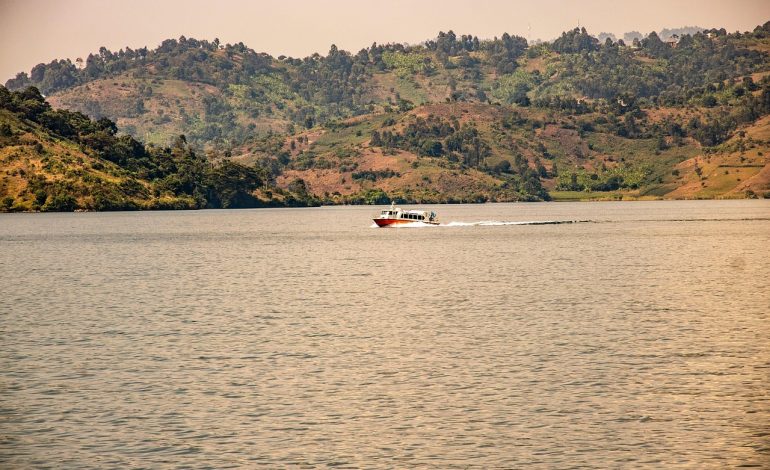


The funding supports site upgrades and transport links. Authorities aim to unlock tourism in a resource-rich but under-visited market.
Key points
- DRC allocated about 31% of a UAE-backed tourism funding pool
- Projects include protected areas, coastal sites, and transport corridors
- Programme could generate 70,000 jobs and attract up to $3.5 billion in investment
The Democratic Republic of Congo has secured about 31 percent of a tourism investment programme backed by the United Arab Emirates. The funding was confirmed after an April 3 cabinet meeting.
Projects identified for financing include the development and upgrade of protected areas. These include the Kinshasa Zoological and Botanical Garden, Muanda Mangrove Marine Park, Kundelungu National Park and the Bombo Lumene Reserve.
Authorities also plan to modernise the N’sele tourist village. They will rehabilitate the Kitona coastal site. Plans also include tourism corridors linking Kinshasa to Kananga by road, and to Mbandaka and Kisangani via river routes.
Infrastructure and Connectivity Drive Investment Focus
The programme will support infrastructure upgrades. It will improve travel connectivity. It will also strengthen tourism services across participating countries.
Estimates suggest it could generate at least 70,000 direct jobs. It could also attract up to $3.5 billion in investment if fully implemented.
Tourism Positioned as Diversification Lever
For the DRC, the initiative marks a shift. Authorities are positioning tourism as a growth driver in an economy still heavily reliant on mining.
The country is home to vast rainforests, wildlife, and river systems. However, it has struggled to attract international visitors. Key constraints include poor infrastructure, limited connectivity, and weak global visibility.
Officials cautioned that access to the funds will depend on further technical work. A detailed roadmap is expected at a follow-up meeting in Nairobi. Analysts say execution will be critical. This includes improving transport links, ensuring security around tourist sites, and building basic services.
If delivered as planned, the investment could help diversify the economy. It could create jobs and stimulate local activity, particularly in remote areas.